
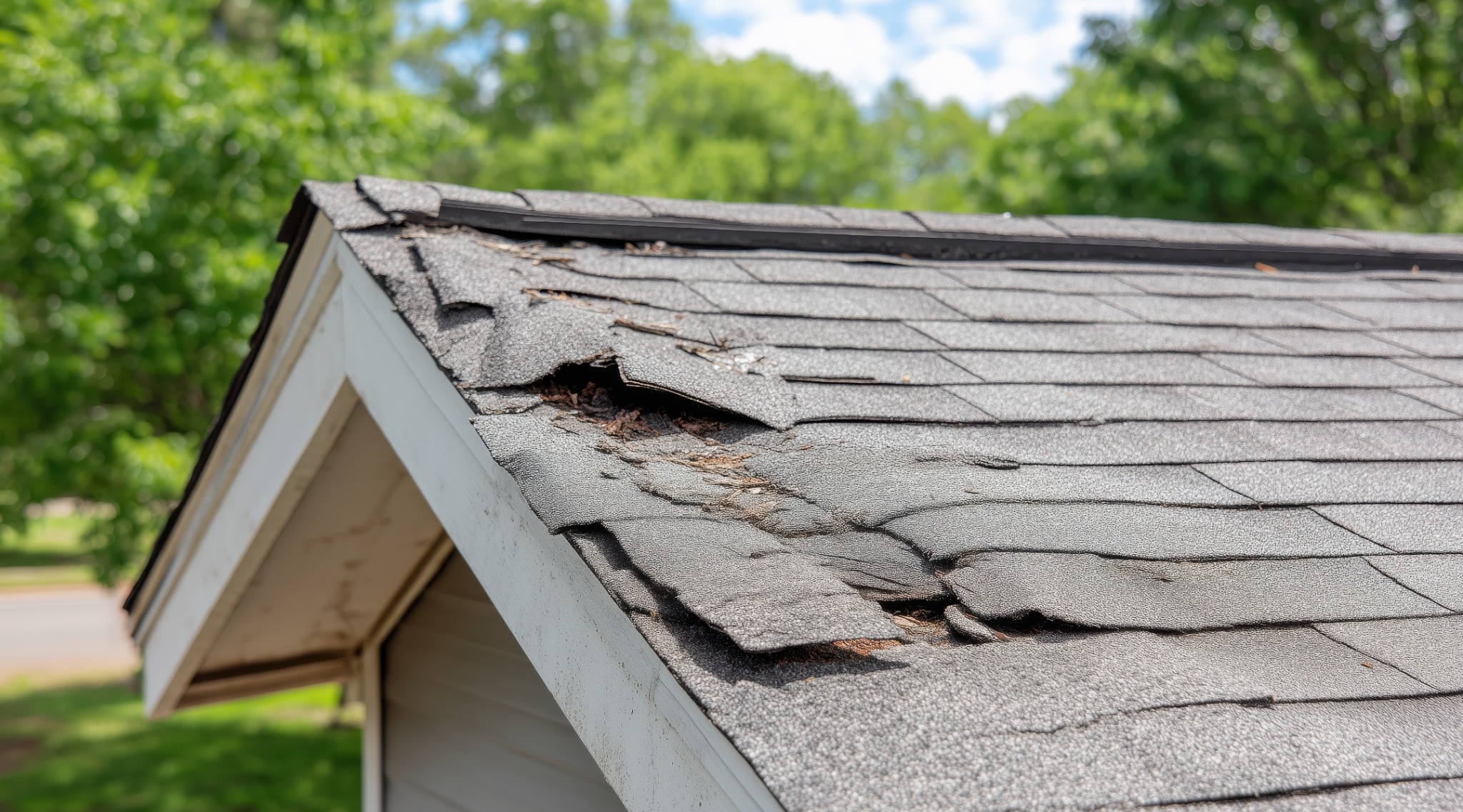
Property Maintenance
Peeling exterior surfaces, damaged siding, missing handrails, broken windows, overgrown vegetation, trash, unsafe porches or similar maintenance conditions.
A code violation does not automatically mean a property is impossible to sell. But the type of violation, the municipality, the property's occupancy status and the purchase agreement can all affect what must happen before or after closing.
Published October 6, 2026
Michigan does not have one universal municipal code-enforcement process for every city and township. Local governments adopt and enforce property-maintenance, building, zoning, rental and occupancy rules, so the answer can change from one municipality to another.
Some violations can be corrected before sale. In some situations a buyer may be able to accept responsibility for correcting known violations after the transfer if the municipality allows it and the proper forms or acknowledgments are completed. Other conditions—especially unsafe or uninhabitable conditions—may require a different process.
The first step is to identify exactly what has been cited and contact the municipality before assuming that a costly renovation is the only way to sell.
The seriousness, cost and sale impact depend on what the local inspector or enforcement office actually cited.
Peeling exterior surfaces, damaged siding, missing handrails, broken windows, overgrown vegetation, trash, unsafe porches or similar maintenance conditions.

Some communities have vacant-property registration, security or maintenance requirements that can create additional obligations while a house sits empty.

Unpermitted additions, finished basements, electrical work, plumbing changes, structural alterations or work that was started but never finalized.
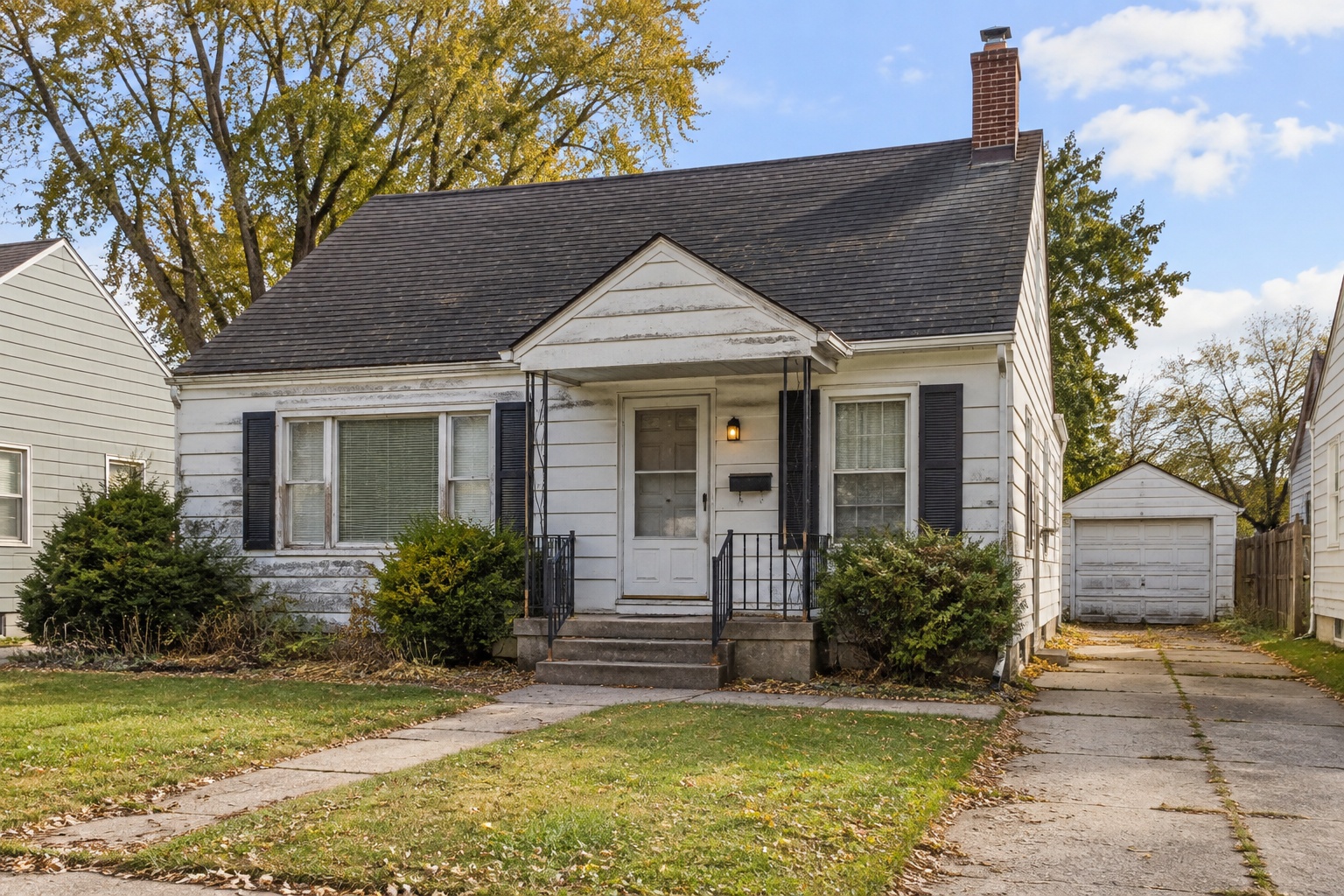
Rental registration, inspections, certificates, occupancy restrictions and correction notices may apply differently from owner-occupied property rules.
If you received a notice, inspection report, ticket, order or correction list, gather the complete paperwork and identify the department handling it. If you do not have the current record, contact the city's or township's building or code-enforcement office.
This is why sellers should verify the rules for the property's actual city, village or township rather than relying on advice about another community.
Waterford's ordinance for residential rental property provides that an owner who has received a notice of violation must furnish that notice to a transferee and provide the Township a signed and notarized acknowledgment from the transferee accepting responsibility for correction before transferring the property.
Waterford also requires registration of vacant residential and commercial properties under its vacant-property ordinance. Other communities may have their own registration, inspection or maintenance requirements.
Warren and Sterling Heights maintain their own property-maintenance and building-code enforcement programs. The applicable process depends on the type of property and the specific condition involved.
Local requirements can change. For a property with an active notice, confirm the current process directly with the municipality before signing a purchase agreement or scheduling a closing.
This may make sense when the correction list is short, the work is affordable and completing it will materially improve marketability. The seller can obtain permits where required, complete the work and request any necessary reinspection or closure documentation.
The risk is that what looks like a small correction can expand once work begins. An unpermitted renovation may require plans or opening walls; a roof issue may reveal decking damage; a plumbing leak may have created hidden deterioration.
Where local rules permit it, a buyer who plans to renovate may be willing to purchase the property with open violations and accept responsibility for required corrections. The municipality may require specific forms, escrow, acknowledgment, inspection or other steps.
This route can reduce the seller's construction burden, but it must be coordinated carefully with the buyer, title company and municipality. Do not assume that writing “as-is” in a purchase agreement overrides a municipal requirement.
Michigan's Seller Disclosure Act applies to many transfers involving one to four residential dwelling units, subject to statutory exceptions. The required disclosure form asks the seller to report known conditions affecting the property.
An as-is sale does not automatically erase applicable disclosure duties. Likewise, giving a buyer a municipal violation notice does not necessarily replace a seller disclosure statement when that statement is required.
For the statutory form and exceptions, see the Michigan Seller Disclosure Act.
If violations will remain open at closing, the purchase agreement should clearly address the property's condition and the parties' responsibilities, and the municipal process should be satisfied. The title company should also be made aware of known municipal issues because recorded liens, special assessments or other charges may affect closing.
A direct buyer experienced with renovation may be more comfortable evaluating open repairs than a retail buyer who expects a move-in-ready home. But a cash buyer is not exempt from local code requirements. The advantage is often that the buyer's renovation plan and financing structure can accommodate a property that needs substantial work.
If the property also has major physical-condition problems, see our guide: Can You Sell a House That Needs Major Repairs?
Often, yes, but the answer depends on the municipality, type of violation and transaction. Some violations may be corrected before sale, while some local rules may allow a buyer to assume correction responsibility through a defined process.
No. An as-is agreement between buyer and seller does not automatically cancel municipal enforcement obligations, permits, fines, inspections or other local requirements.
Possibly. Some municipalities have procedures allowing a transferee to acknowledge and accept responsibility for violations, but the rules vary. Confirm the process with the local building or code-enforcement department.
Known municipal notices should be addressed openly in the transaction, and Michigan's Seller Disclosure Act may separately require disclosure of known property conditions for many residential transfers. Specific legal duties depend on the property and transfer.
Tell us what the municipality cited and what condition the property is in today.