
Repairs & Improvements
Roofing, mechanical systems, plumbing, electrical, drywall, flooring, paint, kitchens, bathrooms, exterior work and other deferred maintenance.
Before spending thousands—or tens of thousands—on a house you plan to sell, it helps to separate necessary work from optional improvements and compare the likely return with the cost, time and risk of doing the work.
Published October 6, 2026

A house that only needs paint, cleaning and a few repairs may be very different from one that needs a roof, furnace, electrical work, water-damage repairs or a full kitchen and bathroom update. National renovation estimates can easily reach tens of thousands of dollars, but a local contractor's scope and the actual condition of the property matter far more than an online average.
The better question is not simply “What would the repairs cost?” It is “How much additional net value would those repairs create after every cost of completing and selling the property?”
If you already know the house needs substantial work, getting an as-is offer can give you a comparison point before you commit cash to renovations.
The renovation budget is only one part of the decision. Sellers should think about all of the cash and time required to get from today's condition to a closed sale.
Roofing, mechanical systems, plumbing, electrical, drywall, flooring, paint, kitchens, bathrooms, exterior work and other deferred maintenance.
Permits, dumpsters, cleanup, material delivery, contractor deposits, design choices, unexpected conditions and possible change orders.
Property taxes, utilities, insurance, lawn or snow care, mortgage interest if applicable, security and the cost of keeping the property longer.
Cleaning, landscaping, photography, staging or furniture removal and the time required to prepare the home for showings.
Broker compensation if you use a real estate professional, transfer taxes, title or closing expenses, concessions and any negotiated buyer costs.
A repair can uncover a bigger problem. A project can run over budget or take longer than expected. The market can also change while work is underway.
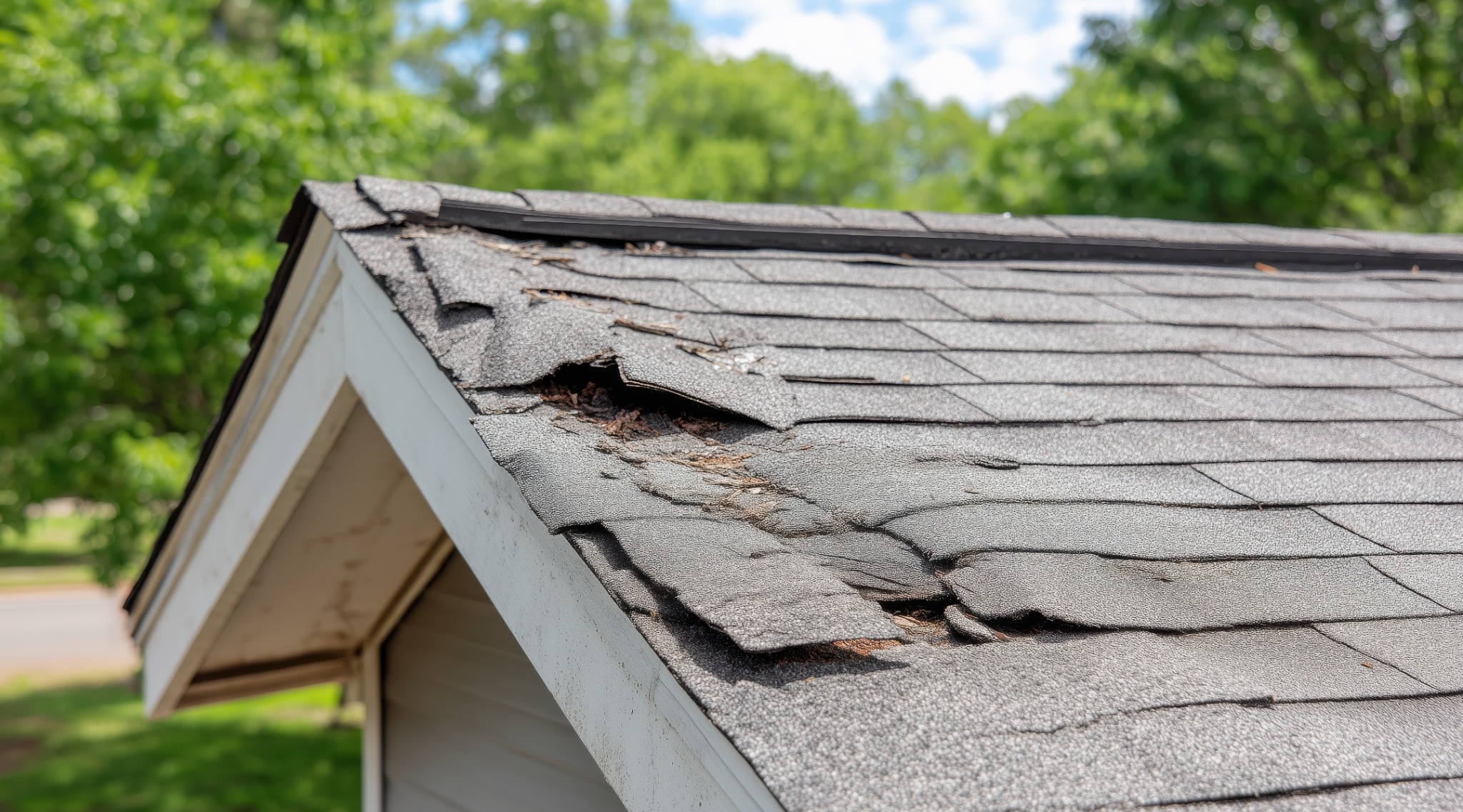
Some improvements may make a conventional sale easier because buyers and lenders care about basic function and safety. A leaking roof, failed furnace, active water issue, unsafe electrical condition or serious structural problem is different from dated countertops or older carpet.
At the same time, sellers sometimes spend heavily on cosmetic improvements because they believe every house must look renovated to sell. That is not always true. A house can be marketed as a fixer-upper, sold as-is, or sold directly to a buyer who expects to renovate it.
A renovation can raise the gross sale price and still produce a disappointing result if the project absorbs too much money or takes too long.
Look at what a buyer would reasonably pay today based on the current condition, location and comparable sales.
Use realistic comparable homes—not the highest-priced renovated house in the neighborhood—to estimate what the finished property might sell for.
Repairs, permits, carrying time, sale preparation, selling expenses and a contingency all reduce the gain created by the higher sale price.
Michigan imposes a state real estate transfer tax on many taxable property transfers, and the seller is generally the party legally responsible for that state tax unless an exemption applies or the parties arrange otherwise. County transfer tax may also apply. Broker compensation, when a broker is involved, is negotiable and should be evaluated based on the actual agreement and services provided.
That is why a seller should compare net proceeds under each path: renovate and list, list as-is, or sell directly. The highest gross price is not automatically the best financial outcome.
For additional background, see the Michigan Department of Treasury's State Real Estate Transfer Tax information and our guide to selling a house as-is.
No. A seller can choose to improve the property, market it in its present condition, or pursue a direct sale. The best path depends on the house, market, timing and financial goals.
Problems involving safety, water intrusion, structure, roofing, mechanical systems, electrical or plumbing can have a larger effect on buyer confidence, financing and insurability than purely cosmetic items. Every house is different.
Only if the expected increase in net proceeds justifies the cost and risk. A full remodel is not automatically necessary, especially when the next buyer may prefer different finishes or intends to renovate anyway.
Estimate the realistic repaired sale price, subtract repairs, carrying costs and selling expenses, and compare that projected net amount with what you could receive for the property in its current condition.
Request a no-obligation review of your Oakland or Macomb County property in its current condition.