

No Pre-Sale Remodel
You may choose not to remodel an outdated kitchen, replace old flooring or make cosmetic improvements solely to prepare the house for sale.
Selling a house as-is usually means offering the property in its current condition rather than agreeing in advance to renovate, update or repair it before closing. But as-is does not mean that nothing else matters.
Understanding what an as-is sale does — and does not — mean can help you compare it with repairing and traditionally marketing the property.
Published October 2, 2026

If a property needs an old furnace replaced, new flooring installed, a kitchen remodeled or cosmetic repairs completed, an as-is seller generally begins the transaction without agreeing to complete those improvements first.
The buyer evaluates the house based on its present condition and decides what that condition means for the price and terms they are willing to offer.
However, as-is does not mean “anything goes.” The written purchase agreement still controls the transaction, and legal, title and disclosure requirements may still apply.
Instead of preparing a house to compete with fully renovated properties, an as-is seller generally allows prospective buyers to evaluate the existing condition themselves.
You may choose not to remodel an outdated kitchen, replace old flooring or make cosmetic improvements solely to prepare the house for sale.
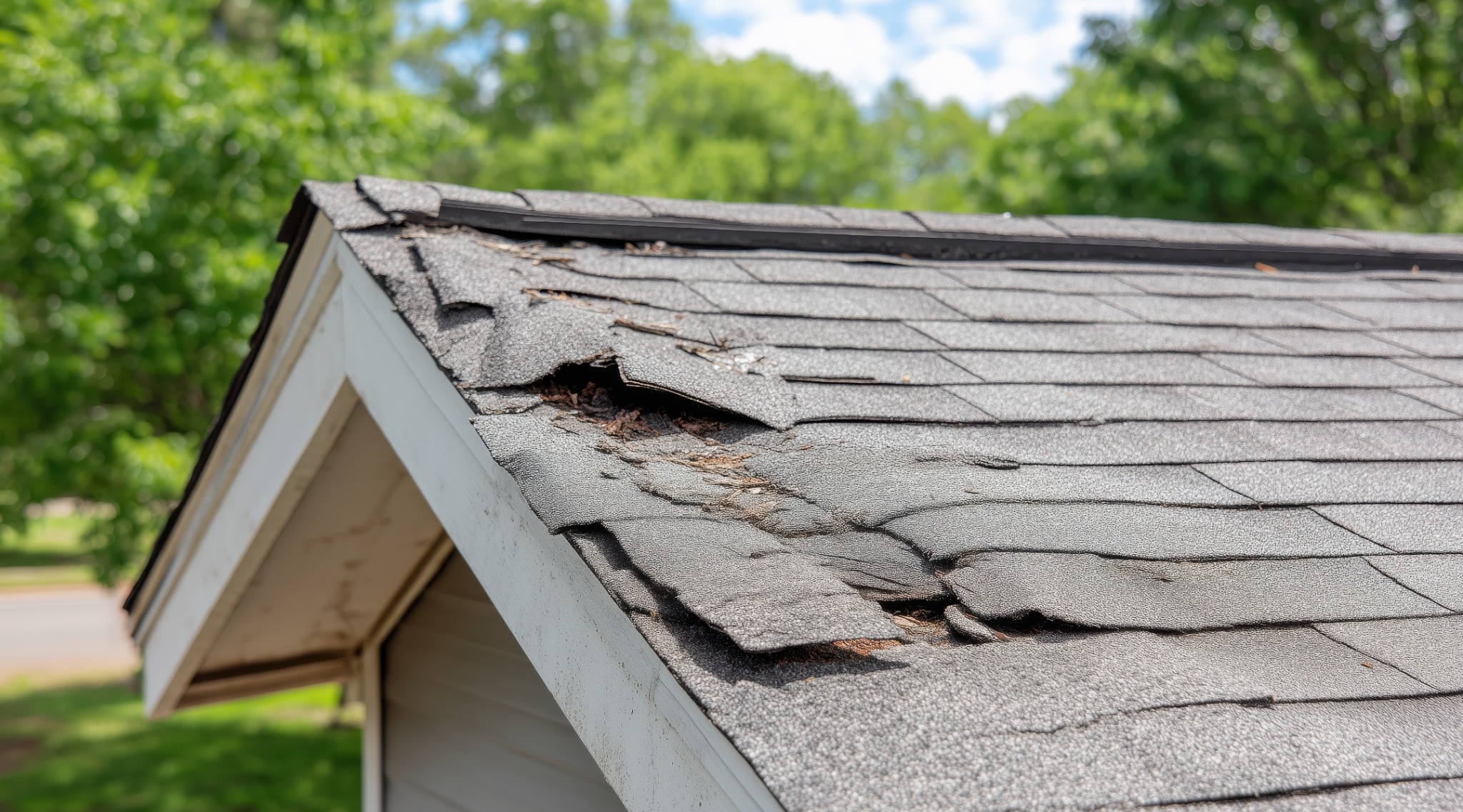
Roof, plumbing, mechanical, exterior or other deferred-maintenance issues can be considered by buyers when evaluating the property.
Buyers generally consider the cost, time and risk of future improvements when deciding what they are willing to pay for a property that needs work.
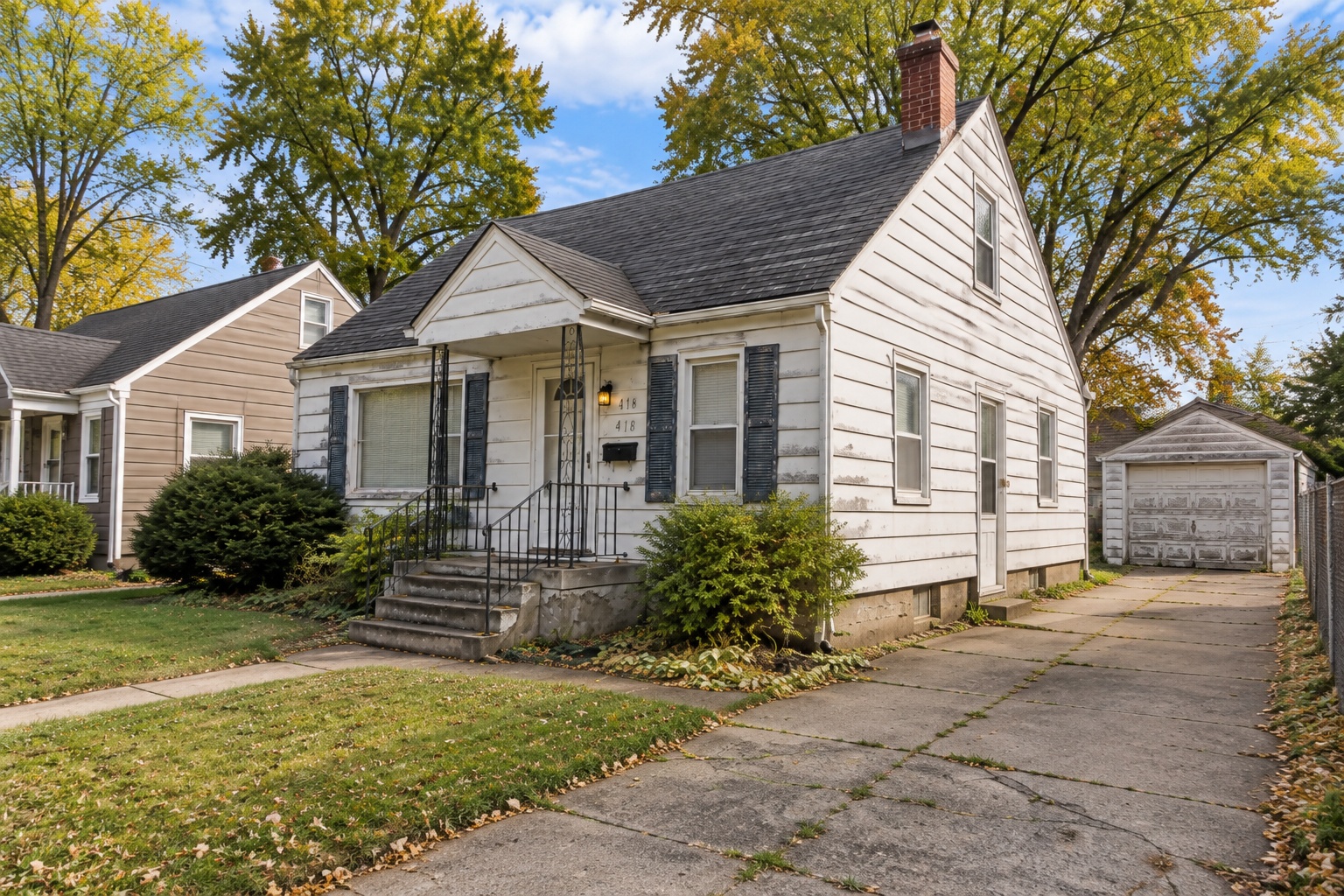
Depending on the buyer and contract terms, an as-is sale may reduce the amount of cleanup, preparation and property work required before closing.
The term as-is is sometimes misunderstood to mean that the seller can simply hand over the keys without addressing anything else.
In reality, the purchase agreement still determines the rights and responsibilities of the parties.
A buyer may still want to understand the condition of the property before completing a purchase.
Whether the buyer has an inspection period, can terminate after an inspection or can request changes depends on the terms of the purchase agreement.
This is why the wording of the contract is more important than simply putting the words as-is in a listing.
A seller considering an as-is transaction should understand the actual inspection and contingency language before accepting an offer.
Some houses need only minor cosmetic work. Others would require substantial time and money before they could compete with renovated properties.
Common repairs sellers may want to avoid completing before an as-is sale include:
Whether avoiding those repairs makes financial sense depends on the property, repair costs, likely resale value and the offers available in its current condition.

Complete repairs and improvements before marketing the property. This approach may increase marketability but also requires money, time and project management before the sale.

Market the house through a traditional real estate listing while making it clear that the property is being offered in its current condition.

A buyer specializing in properties that need work may evaluate the property in its present condition so you can compare that offer with your other selling options.
A property that has been completely renovated will often command a higher selling price than the same property before renovation.
But obtaining that higher price may require the seller to first spend substantial money on construction and continue carrying the property during the project.
When comparing the alternatives, consider the entire financial picture.
Imagine a house might sell for considerably more after a complete renovation. At first glance, renovating may appear to be the obvious choice.
But before making that decision, subtract the cost of the renovation, unexpected repairs, taxes, insurance, utilities, maintenance and the expenses associated with eventually selling the improved property.
Also consider the time involved and the possibility that the renovation costs more or takes longer than expected.
The meaningful comparison is between what you may actually keep after each approach — not simply the difference between the current as-is value and a theoretical future retail price.
Read Our Fixer-Upper Selling GuideSelling as-is is not automatically the right option for every property. It can be particularly useful to compare when preparing the house for a traditional retail sale would require substantial work.
If the property needs extensive repairs or updating, compare the likely after-repair value with renovation costs and carrying expenses.
Read the Guide
Inherited properties can involve additional questions about ownership, belongings, multiple heirs and whether renovating makes sense.
Read the Guide
A vacant property can continue generating taxes, insurance, utilities, maintenance and security costs while you decide what to do.
Read the GuideMichigan Fixer Buyer is focused on residential properties in Oakland County and Macomb County that need repairs, updating, cleanup or renovation.
We can evaluate a property in its current condition so you have an additional option to compare before deciding whether to renovate it or list it traditionally.
It generally means offering the property in its present condition without agreeing in advance to renovate or make repairs before the sale. The specific purchase agreement determines the actual terms.
Potential buyers may still have inspection rights depending on the purchase agreement. As-is does not automatically mean that a buyer must purchase a property without evaluating its condition.
That depends on the terms of the transaction. A properly structured as-is agreement generally begins with the understanding that the seller is not agreeing in advance to complete repairs, but the written contract controls the parties' obligations.
No. An as-is provision does not automatically eliminate disclosure requirements that may apply to the transaction. Michigan has seller disclosure requirements for many residential transfers and statutory exceptions for certain transfers.
A house requiring work may sell for less than the same property after successful renovation. The better comparison is between the estimated net proceeds after renovation and selling expenses versus the proceeds from selling in the property's current condition.
That depends on the buyer and the purchase agreement. Some buyers may require the property to be empty at closing, while others may agree to purchase a property with certain unwanted contents remaining.
An as-is sale can allow a homeowner to explore selling without first remodeling kitchens, replacing flooring, repairing every cosmetic issue or managing a substantial construction project.
It does not mean the condition of the property is irrelevant, and it does not automatically eliminate inspections, title requirements, disclosures or other obligations that may apply to the transaction.
The key is to compare the alternatives. Estimate what the house might sell for after renovation, determine what the renovation and carrying costs may actually be, and compare that expected result with selling the property in its current condition.
Michigan Fixer Buyer can provide one of those comparison points for properties in Oakland and Macomb Counties.
See what the property may be worth to us in its current condition before spending money on repairs or renovations.