
Lease & notices
Locate the signed lease, amendments, notices and current rent information.
A damaged rental can create two problems at once: the physical condition of the property and the legal/operational responsibilities that come with an existing tenancy.
Published October 8, 2026
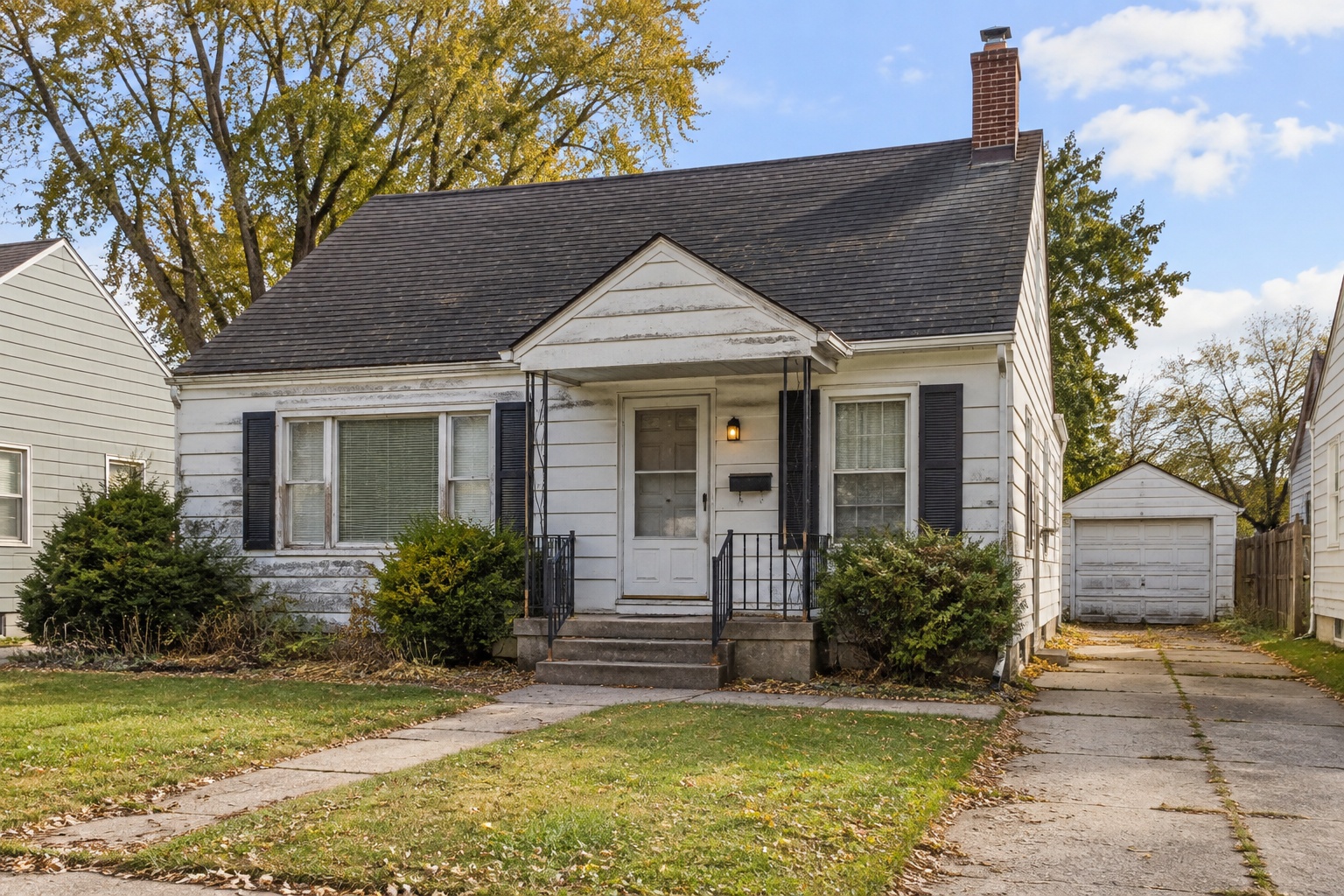
A worn-out rental may need a roof, mechanical work, interior repairs, cleanup after a move-out or extensive turnover. If it is still occupied, the owner also needs to account for the lease, access, notices, security deposit and buyer expectations.
A sale does not automatically wipe out a tenant's existing lease. Review the actual lease and current Michigan landlord-tenant requirements before promising vacancy or a specific closing structure.
Locate the signed lease, amendments, notices and current rent information.
Confirm the security deposit amount, where it is held and the records that will need to transfer or be reconciled.
Gather inspection reports, municipal notices, repair estimates, permits and photographs of known condition issues.
Michigan's Attorney General provides current landlord requirements and security-deposit guidance, including requirements that can apply when units are sold.
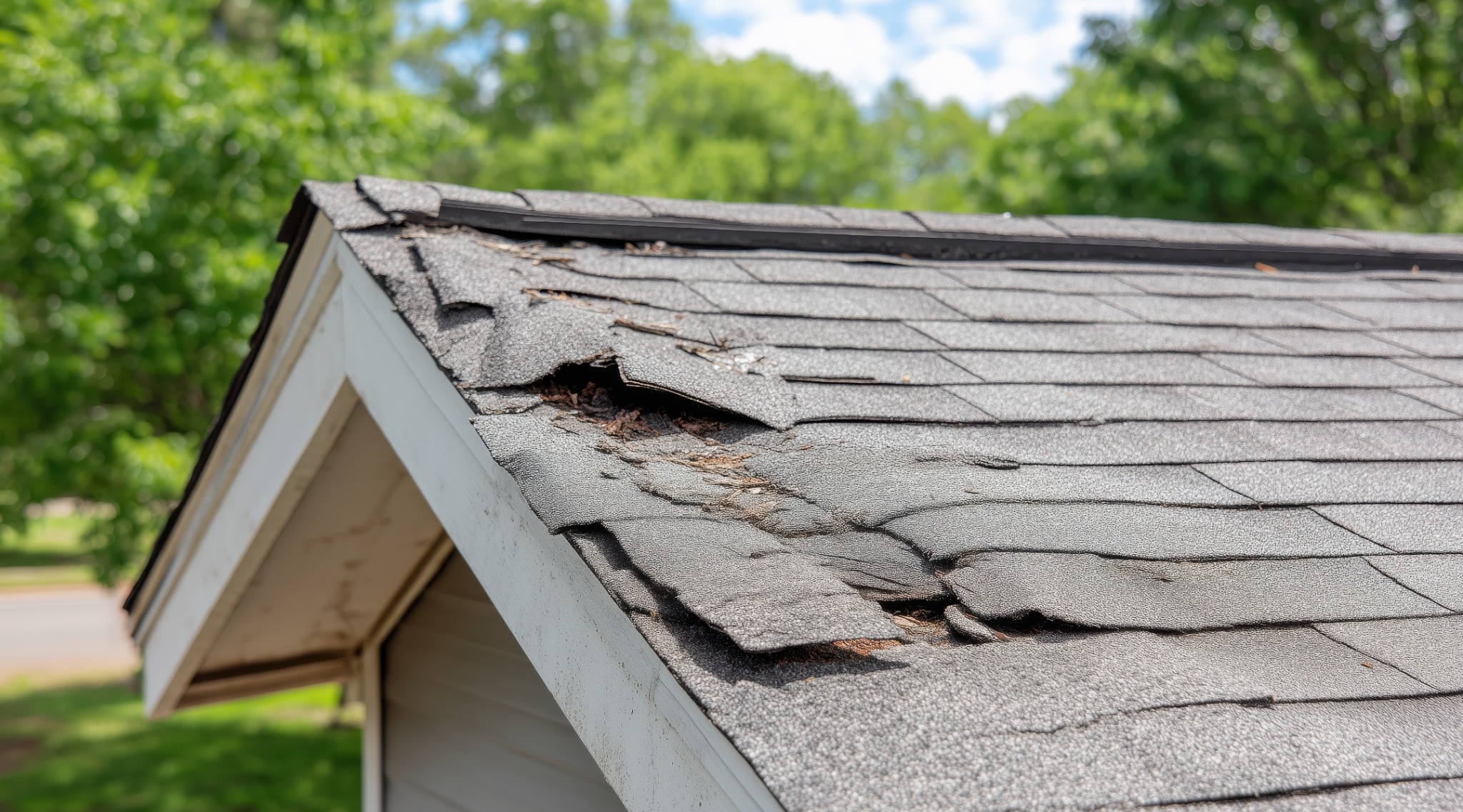
Landlords often know exactly what a unit would look like after new flooring, paint, cabinets and fixtures. The question is whether the additional sale price justifies the work, downtime and risk.
If a buyer is comfortable taking on repairs, selling as-is may eliminate a turnover project that the owner no longer wants to manage.
If the property is vacant, the owner can usually inspect the entire building, obtain repair bids and decide whether to renovate without coordinating access with a tenant. If it is occupied, the lease and the tenant's rights become part of the transaction.
For an occupied sale, give prospective buyers accurate information about the lease term, rent, deposits, utilities, pending notices and any agreed repairs. Do not promise that a buyer will receive a vacant property unless the owner has a lawful and realistic path to deliver it that way.
If the rental is subject to a local registration or inspection program, confirm whether the municipality requires any update when ownership changes. Several Oakland and Macomb County communities have their own rental compliance procedures.
Start with the address and the best way to reach you. You do not need to repair, renovate or clean everything out before contacting us.
Prefer to talk? Call or text (248) 289-0803.
We only need enough information to start the review.
A rental property can be sold while occupied, but the lease, tenant rights, notice requirements, security deposit and buyer's plans all need to be addressed. A sale does not automatically erase an existing lease.
The owner can compare repairing the property before sale with selling it in its current condition. Active health-and-safety issues, municipal orders and landlord obligations should be addressed appropriately.
Michigan landlord rules impose requirements on security deposits, and ownership changes require proper handling and records. Owners should review the lease, deposit records and current Michigan requirements before closing.
Potentially. Occupancy, lease terms, condition and the buyer's ability to take over the tenancy all affect whether a direct purchase is a fit.
Tell us about the property, occupancy and repairs and we can evaluate whether it fits our purchase criteria.