
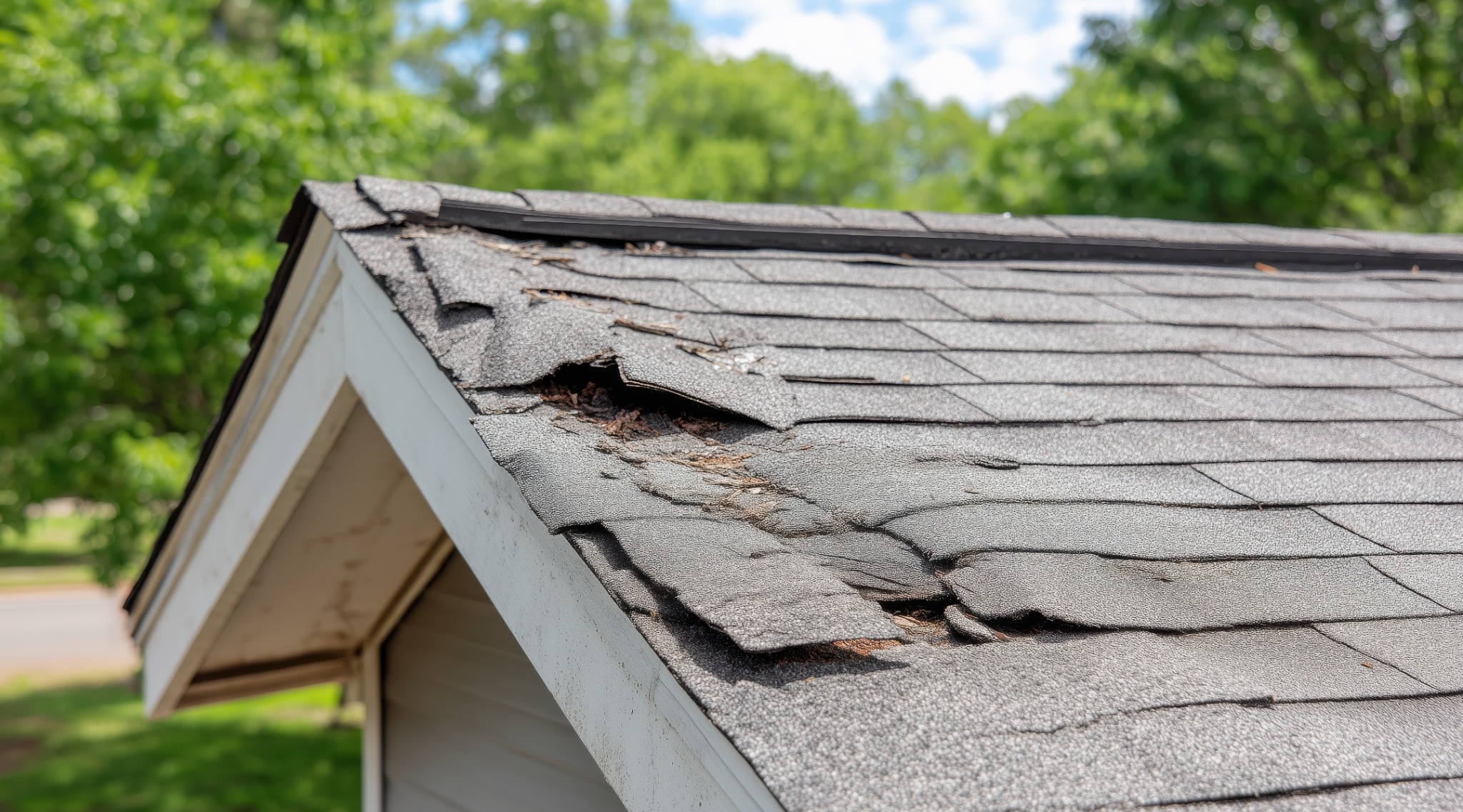
Deferred Maintenance
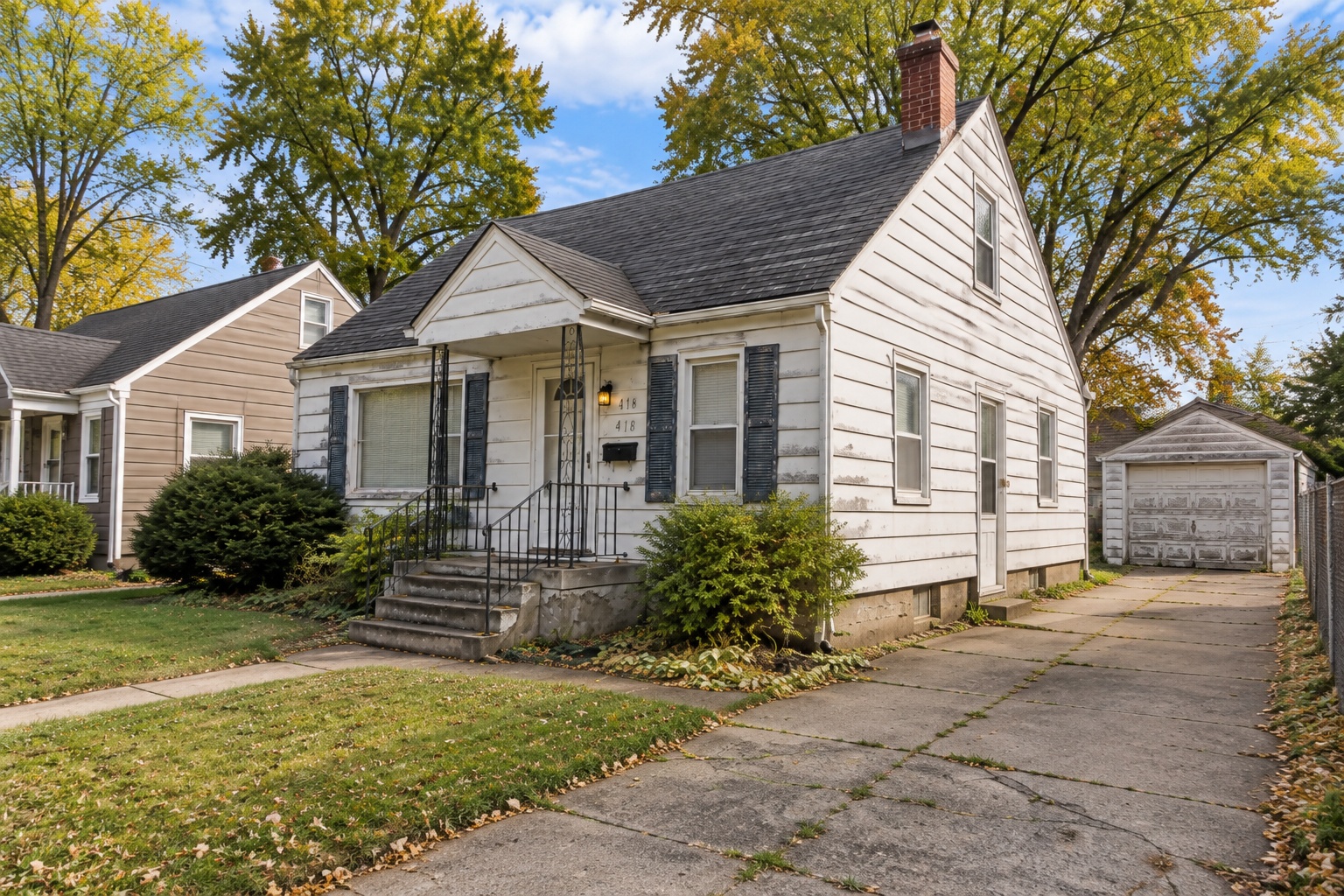
Small maintenance issues can grow when nobody is living in the property to notice them. Roof leaks, gutters, siding, windows and exterior deterioration are common areas to inspect.
A vacant house may look like an asset sitting quietly in the background, but every month it remains unsold can create additional costs, maintenance responsibilities and risk. Understanding those costs can help you decide whether to repair the property, list it as-is or consider a direct sale.
Published October 2, 2026
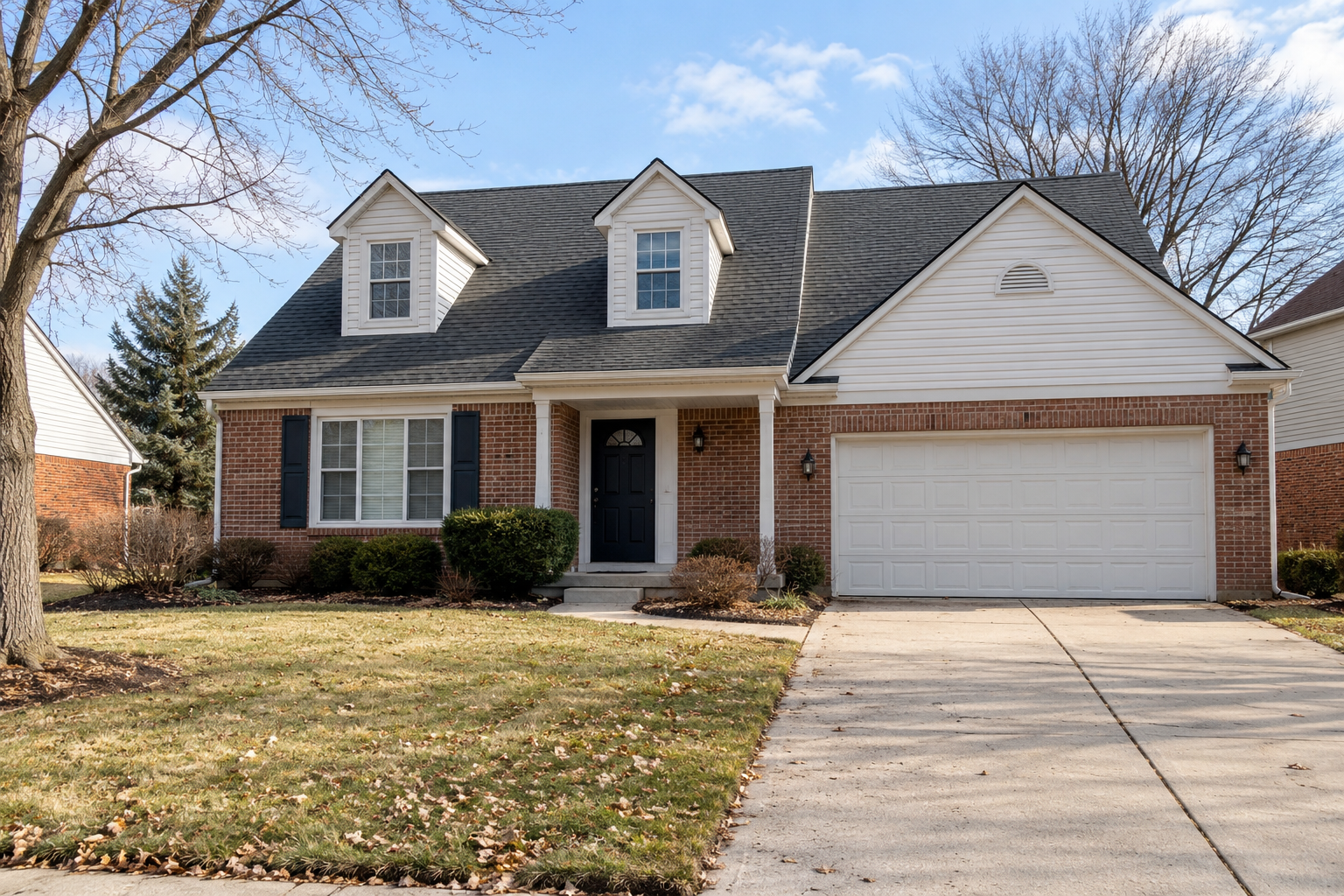
Vacant homes are sold throughout Metro Detroit in a wide range of conditions. Some are clean and move-in ready. Others have been empty for months or years and need substantial repairs, updating or cleanup.
Before spending money preparing the property for a traditional sale, compare the likely value after repairs with the cost of making those improvements and continuing to carry the property while the work is completed.
In some situations, selling the house in its current condition may be worth comparing with repairing it first.
A house does not stop costing money simply because nobody is living there. In fact, some expenses can become more noticeable after a property becomes vacant.
Looking at the monthly carrying cost can change the financial calculation. A property costing several hundred or even more than a thousand dollars per month to hold can become expensive if repairs and marketing extend the selling process.
Vacant houses can develop problems that occupied properties are more likely to catch early.
Small maintenance issues can grow when nobody is living in the property to notice them. Roof leaks, gutters, siding, windows and exterior deterioration are common areas to inspect.
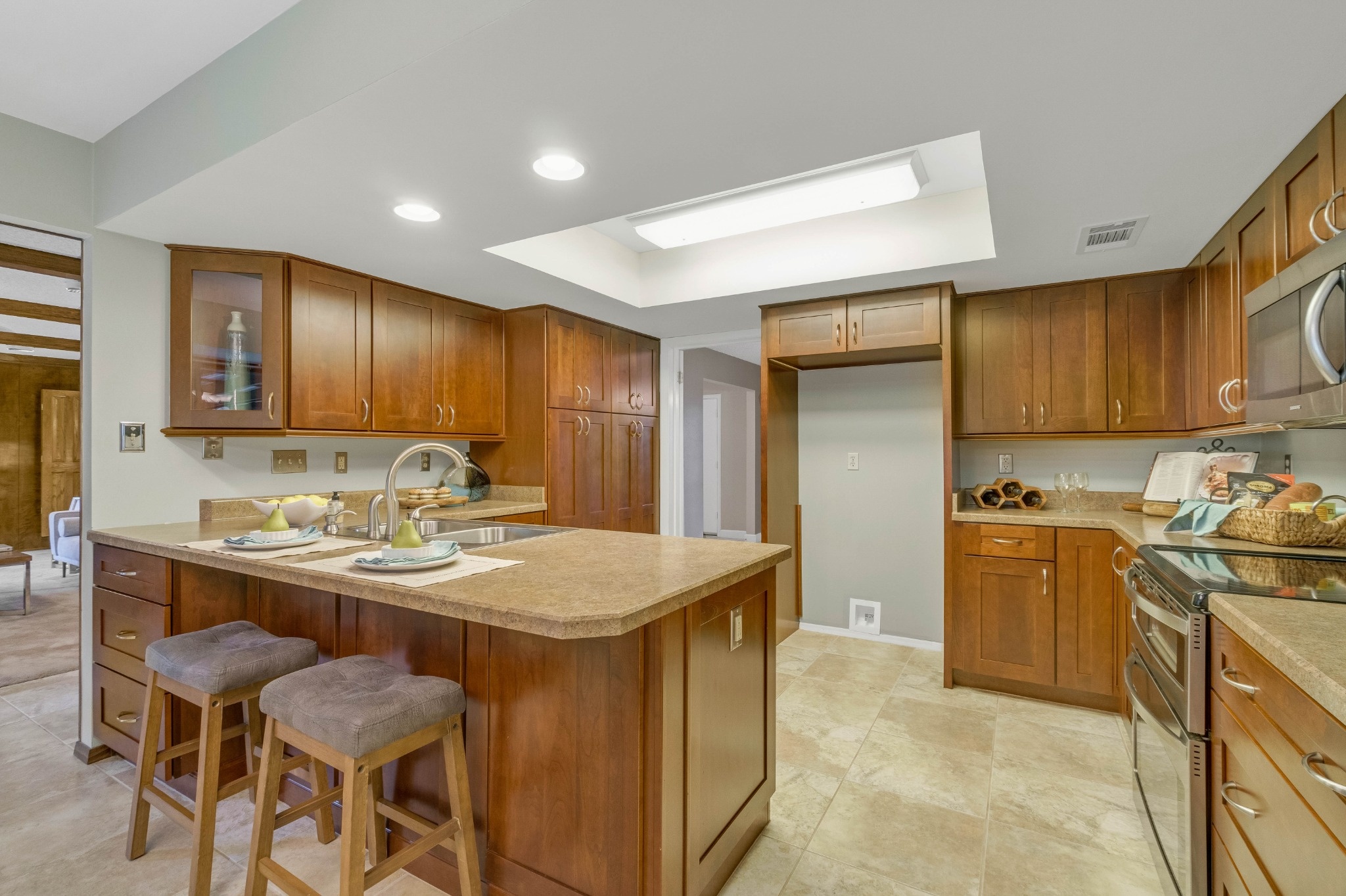
A vacant house may be structurally functional but still need flooring, paint, fixtures, kitchens or bathrooms updated before competing with move-in-ready properties.
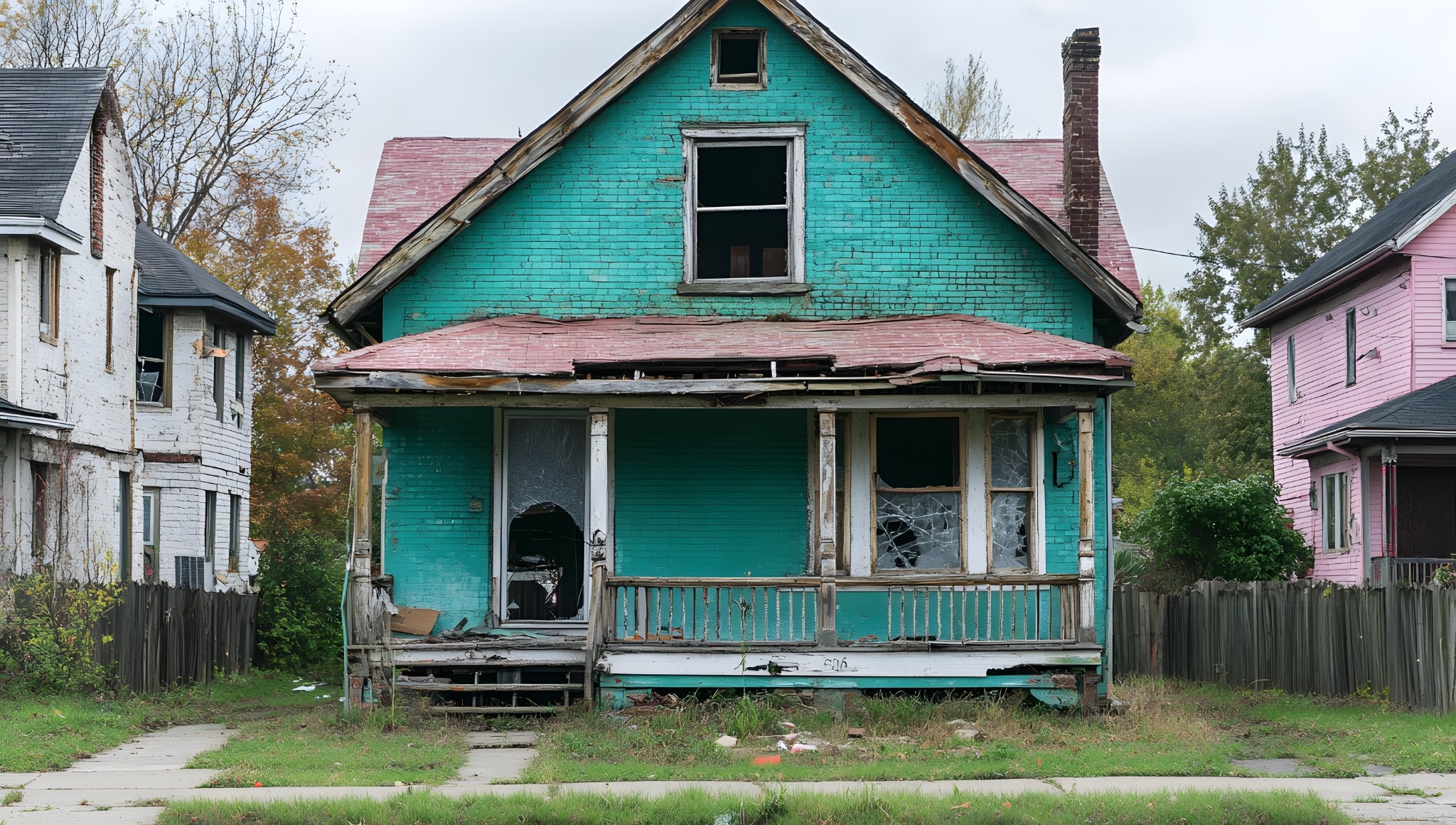
Roofing, plumbing, electrical systems, foundation problems or aging mechanical systems can turn a simple sale preparation into a larger renovation project.
Some vacant properties still contain furniture, personal property, debris or unwanted items that may need to be removed before a traditional listing.
One of the biggest differences between a vacant house and an occupied one is that everyday problems may go unnoticed longer.
A small plumbing leak, heating failure or roof problem can become much more serious if it is not discovered quickly.

Complete the necessary repairs and cosmetic improvements before marketing the house to traditional buyers. This may make sense when the project is manageable and the potential increase in value justifies the additional cost and time.

Market the property through a traditional real estate listing without completing a major renovation first and allow prospective buyers to account for the needed work in their offers.

A buyer specializing in properties that need work may evaluate the house in its present condition so you can compare an as-is sale against repairing or traditionally listing the property.
A common mistake is comparing only the renovation cost with the anticipated increase in the sale price.
The property continues to generate costs while the work is being completed. Those carrying costs should be part of the calculation.
Metro Detroit winters can add another layer of risk to a vacant property. Heating failures and frozen plumbing can cause significant damage when nobody is regularly at the house.
If you plan to hold a vacant house through the winter, make sure there is a plan for heating, plumbing, snow removal and regular property inspections.
The longer a property will remain vacant, the more important ongoing monitoring becomes.
A direct sale is not automatically the right choice for every vacant property, but it can be useful to compare when holding or renovating the house is becoming expensive.
Selling as-is can allow you to begin the sale process without first completing every repair, cosmetic improvement or renovation.
That can be useful when the house requires enough work that preparing it for a traditional retail buyer would become a substantial project.
An as-is sale does not eliminate legal, contractual, title or disclosure requirements. The written purchase agreement should identify the actual terms of the transaction.
See How Our Process WorksAn inherited house may sit empty while an estate is being handled, belongings are being sorted or family members decide whether to keep, renovate or sell the property.
During that time, the house still needs to be insured, maintained and monitored.
If your vacant property was inherited, our inherited-house guide covers additional issues including ownership, multiple heirs, contents and renovation decisions.
Read the Inherited House GuideMichigan Fixer Buyer is focused on residential properties in Oakland County and Macomb County that need repairs, updating, cleanup or renovation.
We can evaluate a vacant property in its present condition so you have another option to compare before deciding whether to renovate or list it traditionally.
Yes. A vacant house can be traditionally listed, marketed in its current condition or considered for a direct as-is sale depending on the property and the owner's goals.
No. Repairs may improve marketability, but the cost and time needed for the work should be compared with the property's potential sale price and ongoing carrying costs.
A property can potentially be sold in its current condition. An as-is sale does not eliminate the legal, contractual, title or disclosure requirements that apply to the transaction.
Common expenses include taxes, insurance, utilities, mortgage payments, lawn care, snow removal, security, maintenance and unexpected repairs.
That depends on the property, season and maintenance plan. During cold Michigan weather, heating and plumbing considerations can be particularly important. Property owners should also consider any requirements from their insurer or other professionals involved with the property.
Compare the potential increase in selling price with renovation costs, carrying expenses, selling costs and the time required to complete the project. An as-is offer can provide another number for comparison.
The longer a Metro Detroit property remains vacant, the more important it becomes to understand the cost and risk of continuing to hold it.
Before committing to a renovation, determine what repairs are actually necessary, estimate the cost of the project and calculate the carrying expenses you may incur while the work is completed.
Then compare the likely result of renovating and listing, listing the property in its current condition and accepting a direct as-is offer.
Michigan Fixer Buyer can provide one of those comparison points for vacant houses in Oakland and Macomb Counties.
See what the property may be worth to us in its current condition before spending money on repairs or renovations.