
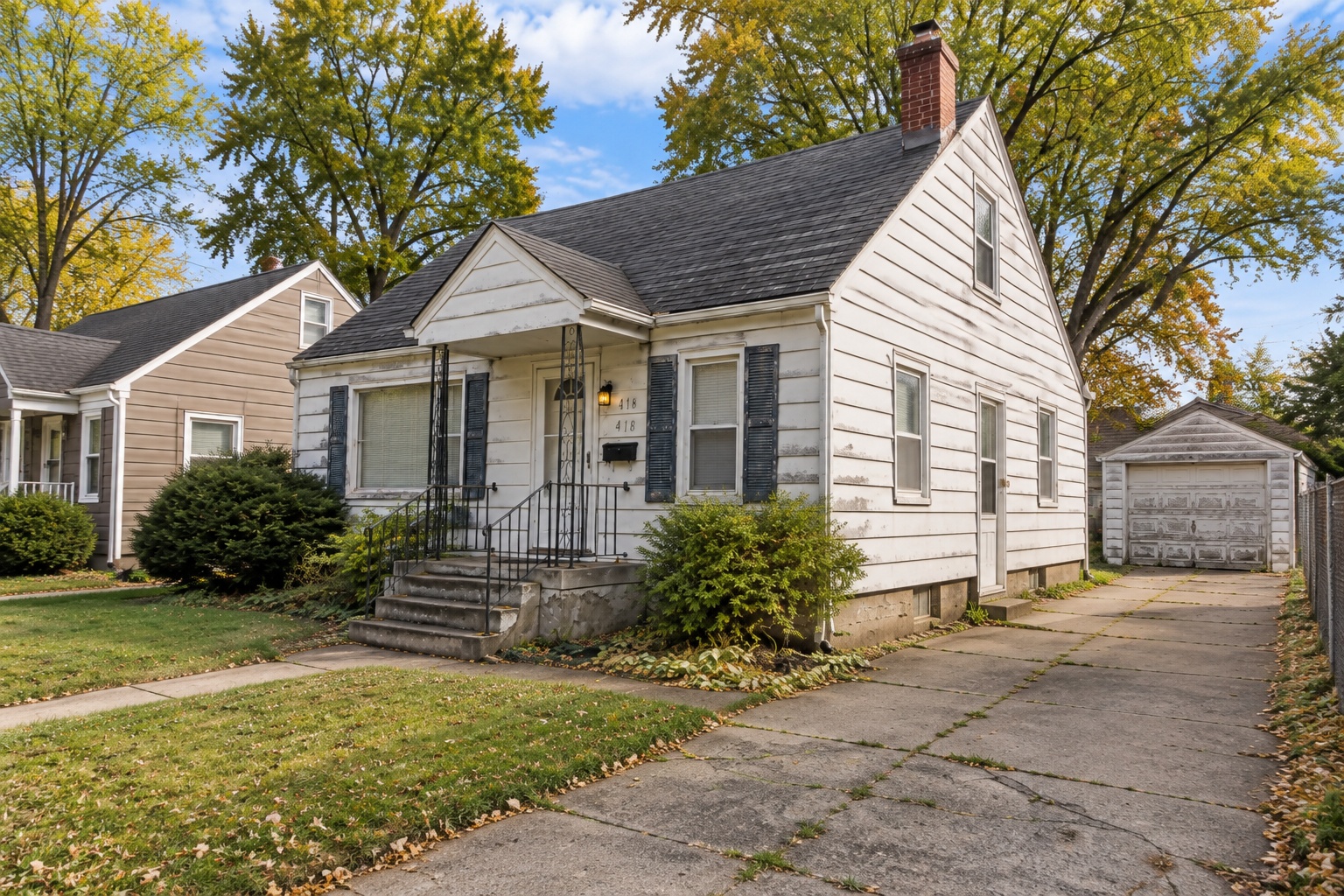
Personal Property & Contents
Furniture, clothing, documents, collectibles and decades of household items may need to be sorted before the property is sold or emptied.
Inheriting a house can create both an opportunity and a responsibility. Before deciding whether to keep, renovate or sell the property, it helps to understand the condition of the house, who has authority to sell it and what the property is costing the estate or new owners.
Published October 2, 2026
One of the first questions people ask after inheriting a house is what they need to do to get it ready for sale.
The answer depends on the property. A well-maintained house may need little more than cleaning and preparation. Another inherited property may contain decades of belongings, deferred maintenance, an outdated kitchen, an aging roof or mechanical systems that need replacement.
Before spending money on improvements, it can be helpful to compare what the property might sell for in its current condition with what you may actually gain by repairing and renovating it first.
Before worrying about paint colors or renovation estimates, make sure you understand who legally owns the property and who has authority to sign a sale agreement.
Inherited property situations can vary considerably. A house may have passed directly to another owner, may be held in a trust or may be part of an estate being administered after the owner's death.
When an estate is involved, the personal representative, attorney, title company or other qualified professional can help determine what must happen before the property can be transferred to a buyer.
This is especially important when there are multiple heirs, an unresolved estate, liens against the property or uncertainty about how the home was titled.
An as-is buyer can simplify the physical-property side of the sale, but the seller still needs the legal authority necessary to transfer ownership. Probate, estate and title questions should be reviewed with the appropriate legal or title professionals.
Inherited houses often have different preparation needs than homes that were actively being maintained for sale.
Furniture, clothing, documents, collectibles and decades of household items may need to be sorted before the property is sold or emptied.

Kitchens, bathrooms, flooring, paint and fixtures may be decades old even when the underlying house is still functional.
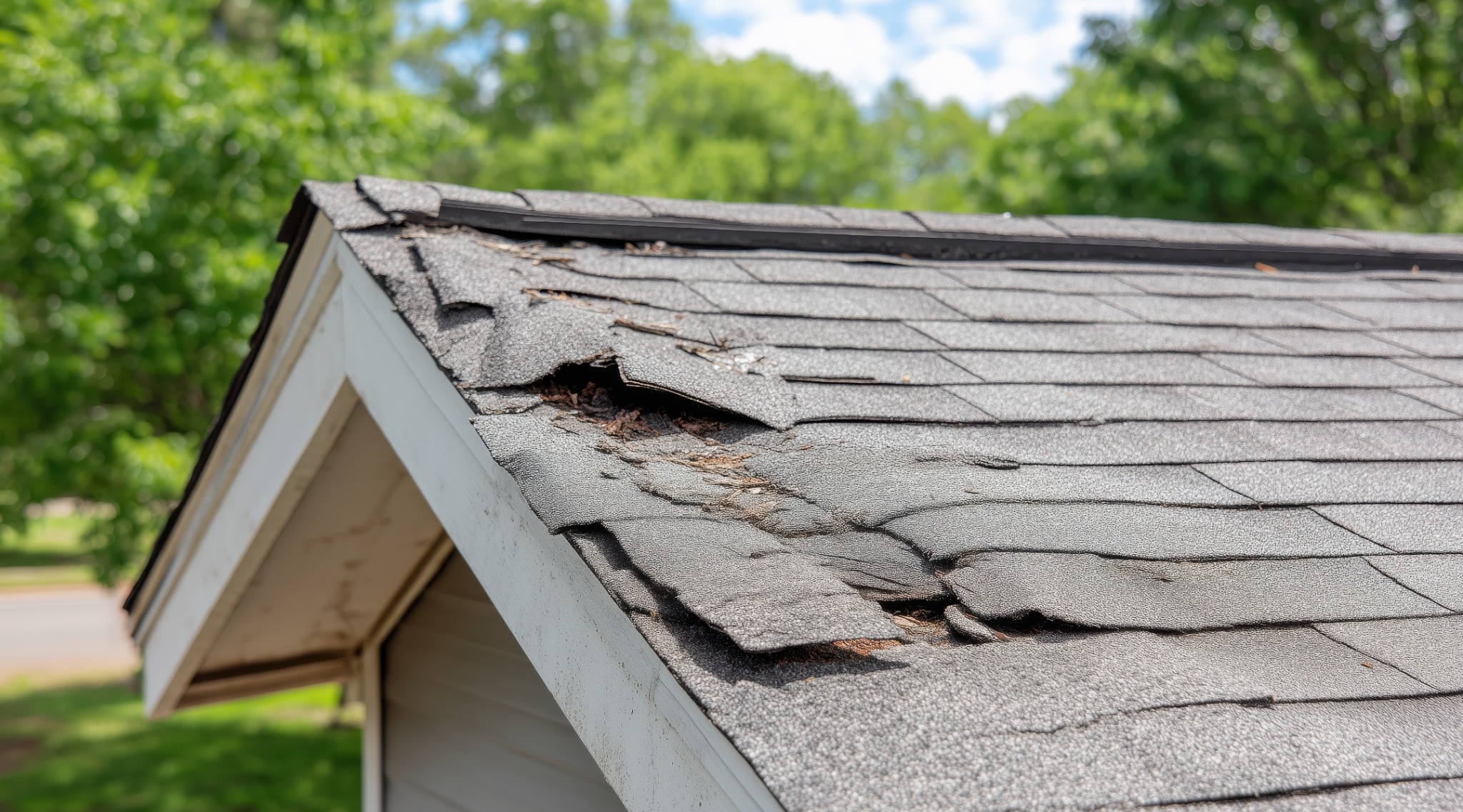
Roofs, windows, plumbing, electrical systems, furnaces, air conditioning and exterior maintenance can become significant expenses when work has been postponed.
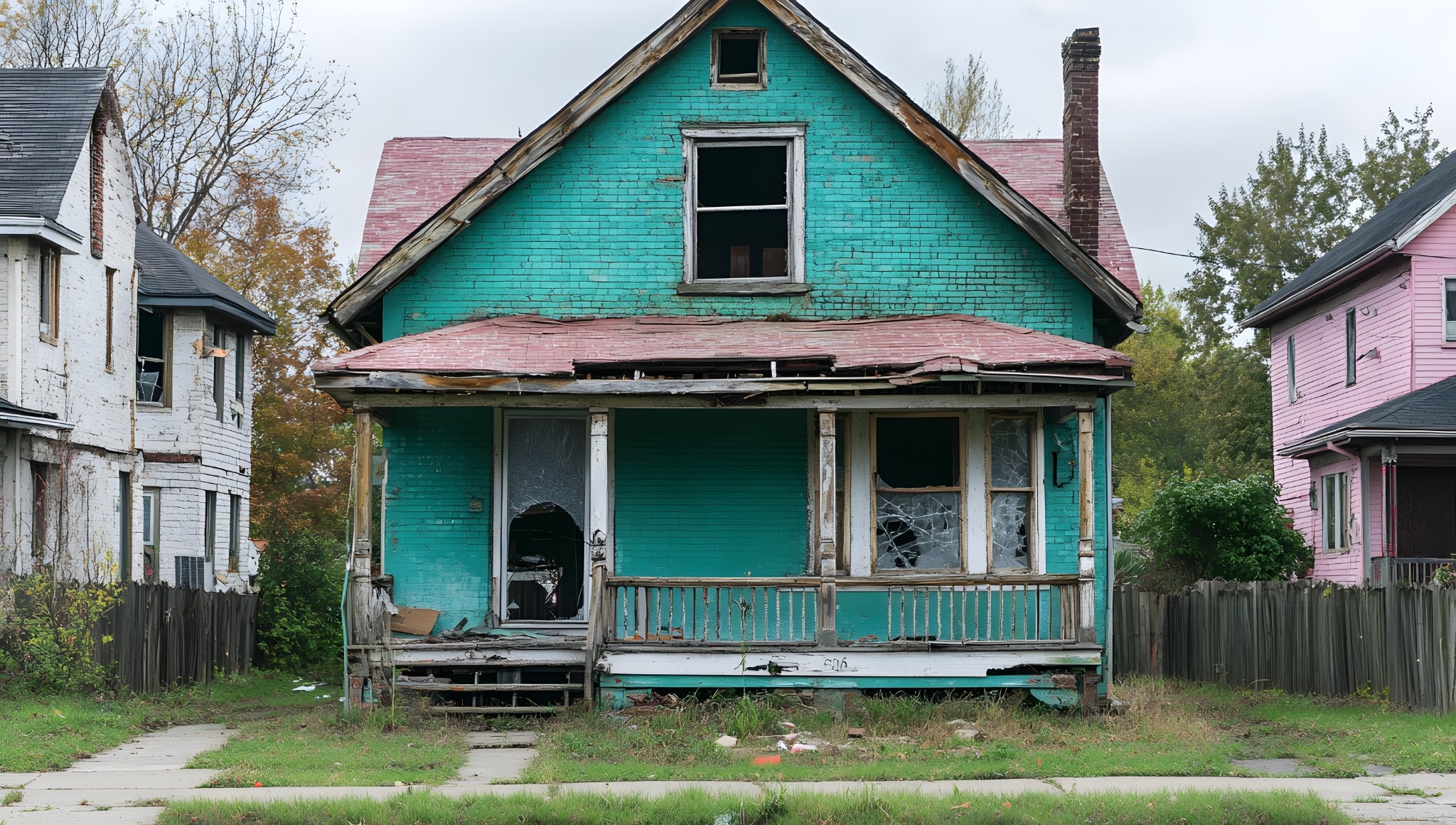
Some inherited properties need enough work that preparing them for a traditional retail sale becomes a substantial construction project.
Even when there is no mortgage payment, an inherited house is rarely completely free to own.
The longer you keep the property, the more important it becomes to understand the ongoing carrying costs.

Make repairs and improvements before placing the property on the traditional real estate market. This can make sense when the house needs manageable improvements and the owners are comfortable funding and managing the work.

The property can be marketed in its current condition without completing a major renovation first. Buyers can then account for the condition and necessary improvements when deciding what they are willing to pay.

A buyer that specializes in properties needing renovation may evaluate the house in its current condition, allowing you to compare an as-is sale with the other options before spending money on improvements.
A renovated house may sell for more than the same house in dated condition. That does not necessarily mean every renovation produces a financial benefit.
Compare the expected increase in sale price with the actual cost of construction, carrying the property during the project and selling it afterward.
Sorting an entire household can be one of the most time-consuming parts of dealing with an inherited property.
Start by identifying personal records, financial documents, photographs, family items, valuables and anything beneficiaries want to keep.
From there, remaining contents can potentially be sold, donated, given away or removed. When comparing buyers, ask specifically what condition the property must be in at closing and whether all remaining contents must be removed.
That question can make a meaningful difference when you are dealing with a house that has been occupied by the same owner for many years.
An inherited property can become more complicated when several people have an interest in the estate or property.
One person may want to renovate the house. Another may want to sell it quickly. Someone else may want to keep the property as a rental.
Before committing estate funds or personal money to a renovation, determine who has decision-making authority and make sure the people involved understand the options being considered.
From a practical standpoint, an as-is sale allows you to begin the selling process without first turning an inherited property into a move-in-ready house.
That can be particularly useful when the house needs extensive updating, cleanup or repairs that the estate or new owners do not want to manage.
The phrase as-is does not eliminate the legal, title, contractual or disclosure requirements that apply to a particular transaction. Estate circumstances can vary, so the appropriate real estate, title, tax or legal professionals should be consulted when necessary.
See How Our Process WorksA direct sale is not automatically the right solution for every inherited house. It can, however, provide another number to compare when the property needs significant work or the owners do not want to manage the preparation process.
Michigan Fixer Buyer is focused on residential properties in Oakland County and Macomb County that need repairs, updating, cleanup or renovation.
We can evaluate an inherited property in its current condition so you have an additional option to compare before deciding whether to clean it out, renovate it or list it traditionally.
Yes. The important first step is determining who currently owns the property or who has legal authority to transfer it. The process can depend on how the property was titled and whether an estate, probate proceeding or trust is involved.
No. You can explore selling the property in its current condition. Whether making repairs first is financially worthwhile depends on the condition of the house, renovation costs, expected resale value, carrying costs and your goals.
An inherited property may be sold in its existing condition. Selling as-is addresses the physical condition of the property; it does not eliminate the legal, estate, title or contractual requirements that apply to the sale.
The authority to sell depends on the ownership and estate circumstances. Before accepting an offer or spending money on renovations, make sure the appropriate parties have determined who has authority to make decisions and transfer the property.
Not necessarily. Requirements vary by buyer. If you are considering an as-is sale, ask whether the buyer requires the house to be completely empty or whether unwanted contents can remain.
Compare the potential increase in sale price with renovation costs, selling expenses, carrying costs and the time required to complete the work. An as-is offer can give you another number to use in that comparison.
Inheriting a property does not mean you have to immediately renovate it, empty it or prepare it for a traditional listing.
First determine who has authority to sell the property. Then evaluate the condition of the house, understand its ongoing costs and estimate what would be required to prepare it for the market.
From there, compare the likely net result of renovating and listing, listing the property in its current condition and accepting a direct as-is offer.
Michigan Fixer Buyer can provide one of those comparison points for inherited houses in Oakland and Macomb Counties.
Find out what the property may be worth to us in its current condition before spending money on cleanup or renovations.