
1. Probate documents
Identify the personal representative, letters of authority, will and any court orders that affect the property.
A probate property can involve more than ordinary selling decisions. The estate may need to coordinate authority, title, personal property, repairs, carrying costs and sometimes court approval before the real estate can close.
Published October 8, 2026
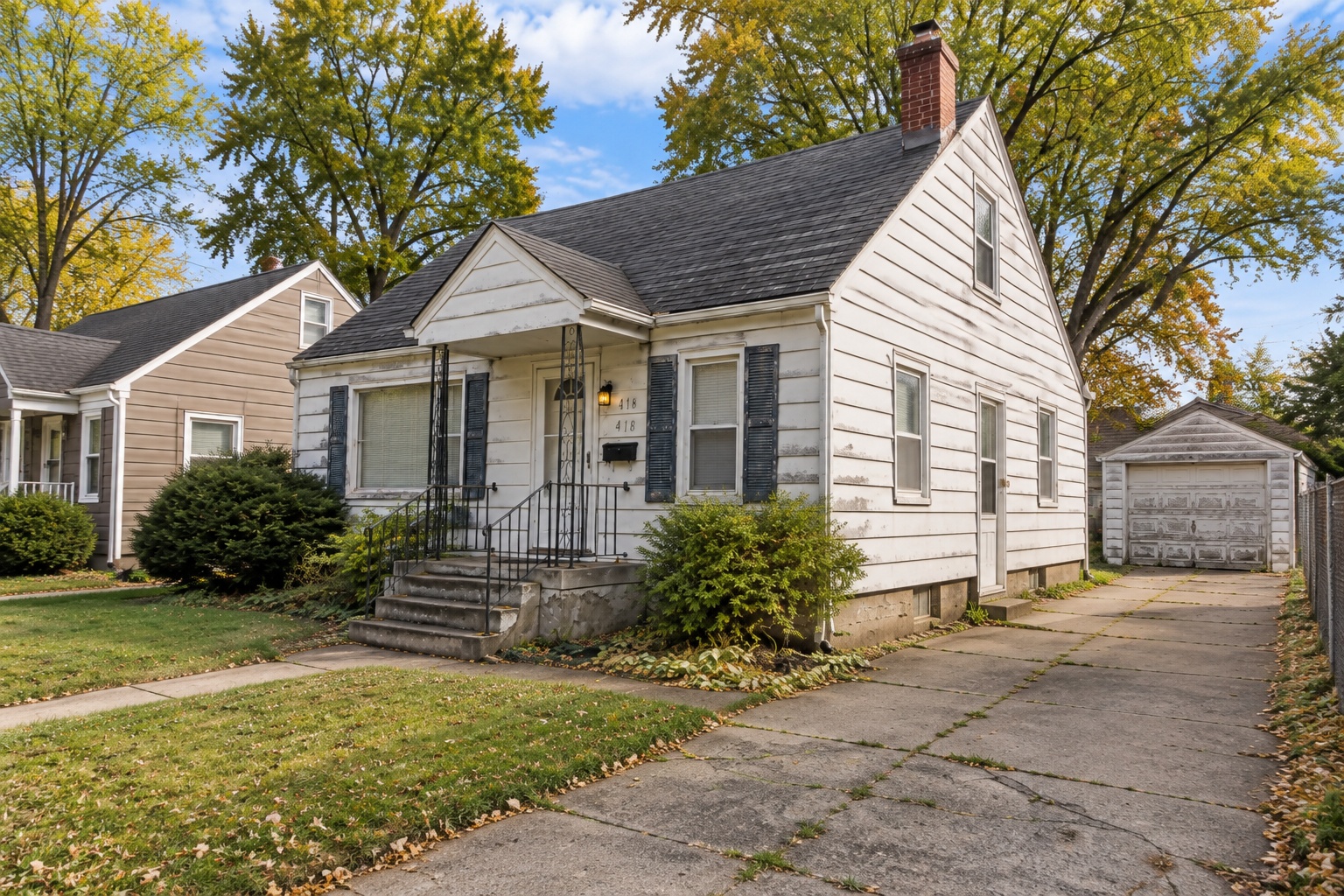
When a property is part of a deceased owner's estate, the first question is not whether to repaint the kitchen. It is who has authority to sign a purchase agreement and deed on behalf of the estate.
Michigan probate sales can be handled differently depending on the type of estate administration, the powers granted to the personal representative, the will, interested parties and whether court approval is required. Michigan courts publish a Petition for Approval of Sale of Real Estate for situations in which approval is sought.
If authority is uncertain, the personal representative should speak with the probate attorney or court before entering a binding sale agreement.
Identify the personal representative, letters of authority, will and any court orders that affect the property.
Confirm ownership, mortgages, taxes, liens and whether there are other title issues that must be resolved.
Document repairs, contents, utilities, insurance, vacancy and any municipal notices before deciding how much work to take on.

Renovating an inherited house can increase marketability, but the estate may also carry taxes, insurance, utilities, lawn or snow service, cleanout costs and risk while the work is underway.
A direct as-is offer can be compared with a traditional listing so the personal representative and interested parties can evaluate the likely net result and workload.
Michigan's Seller Disclosure Act generally applies to many one-to-four-unit residential transfers, but it also lists specific exemptions. Those include transfers pursuant to court order and transfers by a nonoccupant fiduciary in the course of administering a decedent's estate.
That does not mean an estate should conceal known problems or assume every obligation disappears. The purchase agreement, title work, municipal requirements and other law can still matter. Review the specific transaction with the estate's attorney or title professional.
Read the Michigan Seller Disclosure Act exemptions (MCL 565.953).
Start with the address and the best way to reach you. You do not need to repair, renovate or clean everything out before contacting us.
Prefer to talk? Call or text (248) 289-0803.
We only need enough information to start the review.
Often, yes, but the personal representative's authority and any required court approval depend on how the estate is being administered and the circumstances of the sale. The probate file and legal guidance should be reviewed before signing or closing a sale.
Not necessarily. Michigan probate procedures vary with the estate's administration and the personal representative's authority. Michigan courts provide a petition form for approval of a real-estate sale when court approval is needed.
No. Michigan's Seller Disclosure Act contains exemptions for certain transfers, including transfers pursuant to court order and transfers by a nonoccupant fiduciary during estate administration. The exact exemption should be confirmed for the transaction.
Potentially. The estate can compare repair costs, carrying costs, cleanup and market exposure with an as-is sale, subject to the personal representative's duties, title requirements and any court or estate-administration requirements.
Tell us about the property before the estate commits to cleanup or renovation work.