Repair and document
Stopping the source of water and completing appropriate cleanup or repairs may broaden the buyer pool. Keep invoices, photos, reports and warranties.
Basement flooding, plumbing leaks, sewer backups and repeated moisture problems can make a house harder to sell—especially when the full repair scope is uncertain.
Published October 2026
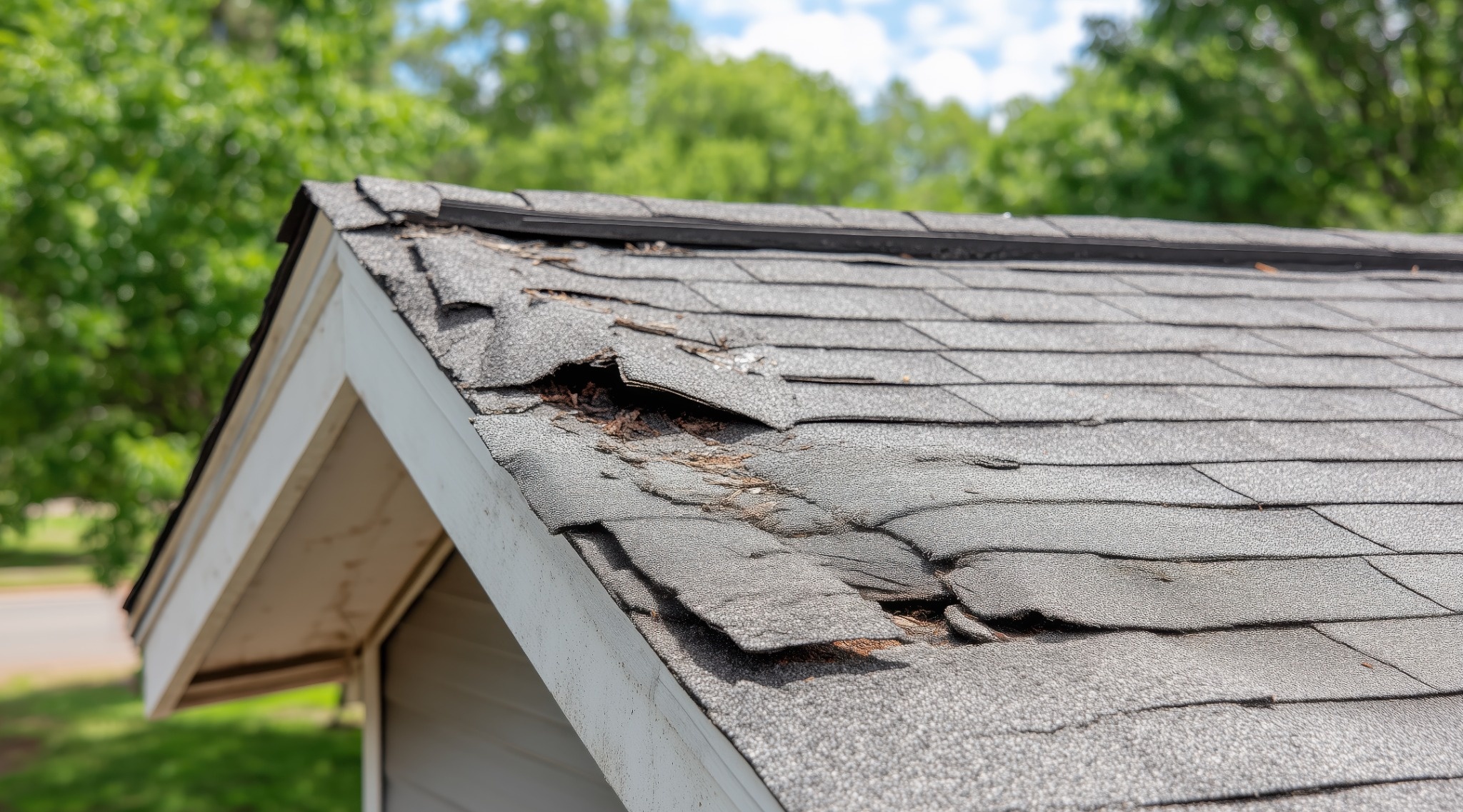
Water damage is not one single repair. A one-time plumbing leak may be different from repeated basement seepage, a sewer backup, storm damage or moisture hidden behind finished walls. Buyers and contractors will want to understand the source, the affected areas and whether the problem is ongoing.
If the house has active water intrusion or unsafe conditions, deal with urgent safety issues first. Depending on the situation, a qualified restoration specialist, plumber, waterproofing contractor or other appropriate professional may be needed.
Stopping the source of water and completing appropriate cleanup or repairs may broaden the buyer pool. Keep invoices, photos, reports and warranties.
A traditional listing can still be considered, but unresolved water damage may affect inspections, financing, offers and time on market.
A buyer who evaluates needs-work houses may consider the property in its current condition and account for the risks and repairs in the offer.
Balance likely selling price against remediation costs, contractor timelines, taxes, insurance and other carrying expenses.

You do not need perfect records before requesting an offer. But knowing what happened—and gathering what you already have—can make the property easier to evaluate.
The U.S. Environmental Protection Agency recommends fixing the moisture source and drying water-damaged materials promptly, typically within 24 to 48 hours, to reduce the chance of mold growth. Cleanup needs may be greater after sewer backups or contaminated flooding. For an active event, do not enter a space with potential electrical or structural hazards.
A direct sale does not mean owners should conceal known problems. Depending on the property and transaction, Michigan seller-disclosure requirements and other duties may still apply. Disclose what you know, retain available documentation and ask an appropriate professional about uncertain conditions.
Additional reading: EPA: A Brief Guide to Mold, Moisture and Your HomeMichigan Seller Disclosure Act
Start with the address and the best way to reach you. You do not need to repair, renovate or clean everything out before contacting us.
Prefer to talk? Call or text (248) 289-0803.
We only need enough information to start the review.
Yes. An as-is sale may be possible, but price and buyer interest depend on the source of the water, extent of damage, safety concerns and available records.
Not always. Compare the costs and risks of repair with listing the property in its present condition or obtaining a direct as-is offer.
Provide truthful information required for the transaction, including known conditions and relevant repairs. Michigan disclosure duties depend on the property and applicable law.
Potentially. Share the address, what is known about the water issue and any photos or estimates available. Each property is evaluated individually.
Compare an as-is option with the cost, uncertainty and timing of water-related repairs before deciding what to do.